
Curatorial Statement
I believe museums are at their most vital when they make space for the voices of the communities they serve, not as audiences to be reached, but as collaborators in the work of meaning-making. My curatorial practice is grounded in this conviction. Over more than 15 years of exhibition-making, I have sought to build projects that take complexity seriously, hold space for multiple histories at once, and treat the visitor as a thinking partner rather than a passive recipient.
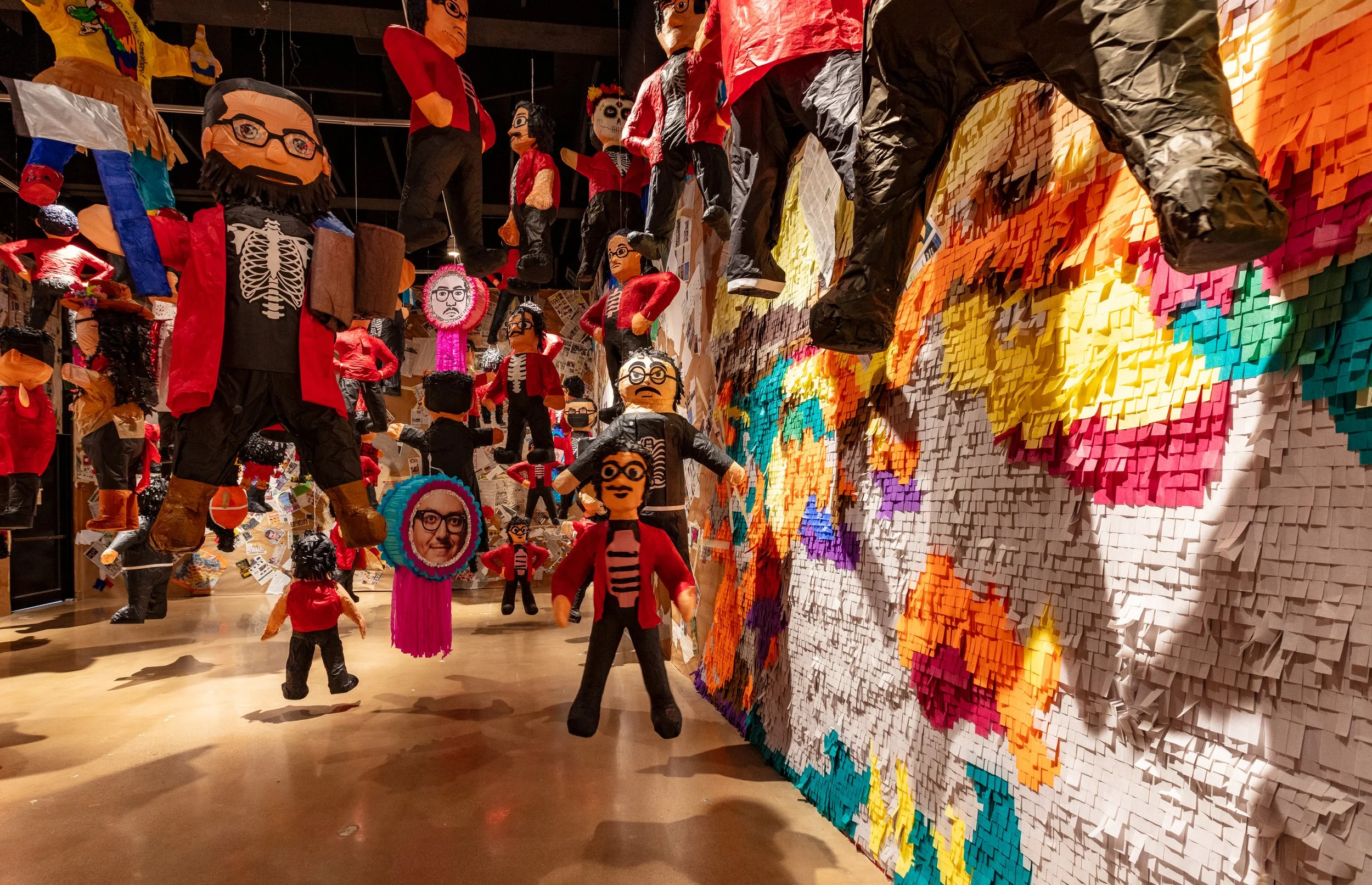
My work has consistently returned to questions of who is represented in our institutions, whose stories are centered, and how curatorial frameworks can either reinforce or unsettle the assumptions we inherit. Exhibitions like En Medio | Senses of Migration and Guillermo Bert: The Journey have allowed me to explore migration, displacement, and Indigenous identity through the voices of artists at the forefront of these conversations. Solo projects with Justin Favela, Leonor Fini, Edi Rama, and Guillermo Bert have shaped my approach to artist-driven research and the careful construction of mid-career and rediscovery surveys.
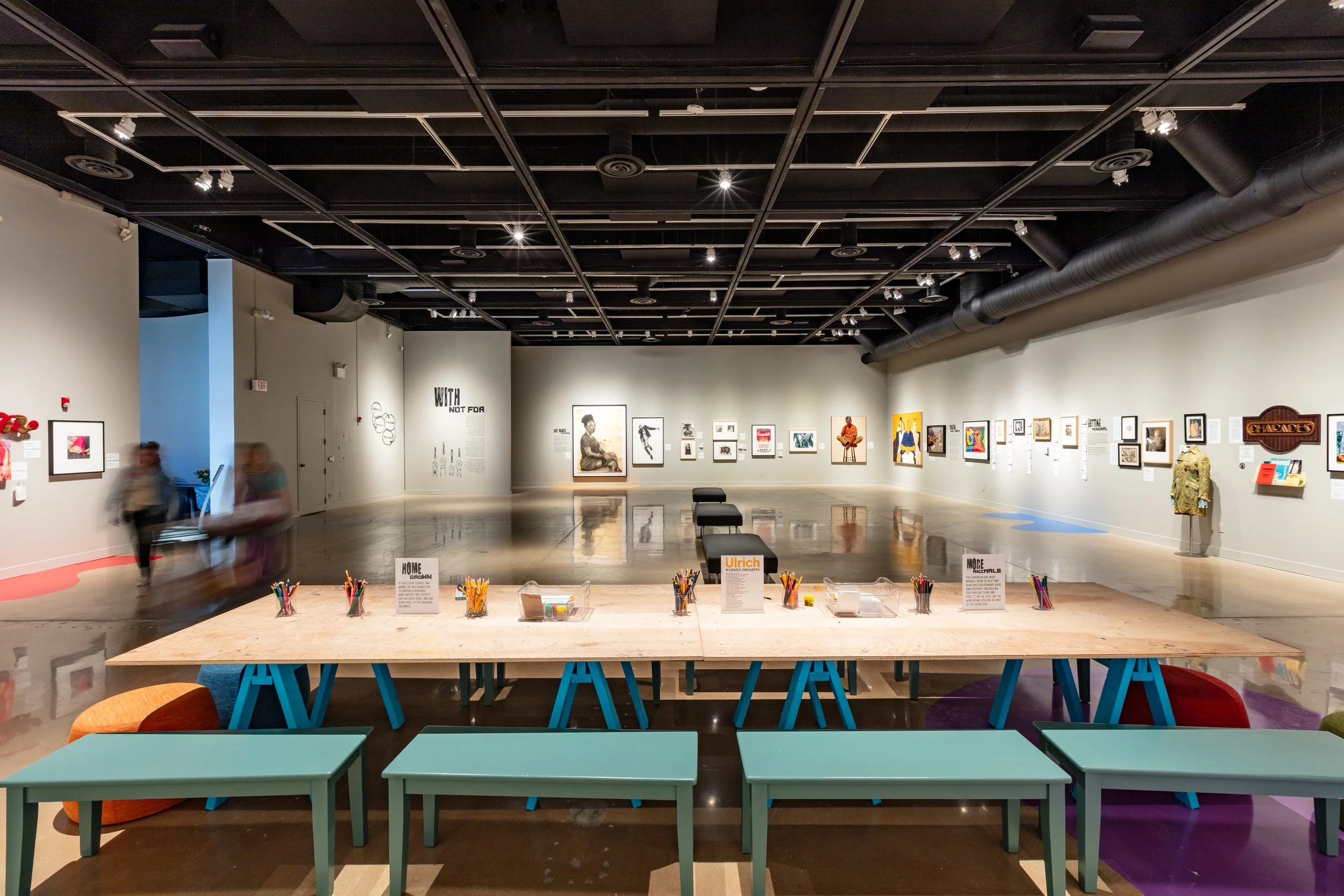
Most fully, the Ulrich Co-Lab has become the laboratory for my belief that curatorial authority is most generative when it is shared. Across four phases, the Co-Lab has invited communities, students, and local artists into the work of shaping exhibitions, culminating in With, Not For: Centering Community, Identity, and Connection, a permanent collection display built entirely from community-generated data. The project has reshaped how the institution understands its public, and it reflects what I hold to be true: that the museum is most itself when it is in dialogue.
I bring to this work a comparative perspective shaped by my Brazilian-Italian heritage, my training in heritage studies, curating, and museology across Europe, and my ongoing doctoral research at the University of Reading. I am committed to rigorous scholarship, sustained relationships with artists, and to the patient, generous work of building institutions that matter to the people who inhabit them.
@vivian.zavataro
“I believe art has the power to forge relationships, create a sense of belonging in diverse communities, and be used as a tool for change—a tool to combat racism and inequality.”

“I've always longed for the moment the museums would have their audience as the main focus of their practice. And I think we're getting there.”

“I still believe that we can create a dialogue with art. . . . That we can live better together if we have art around us.”
